
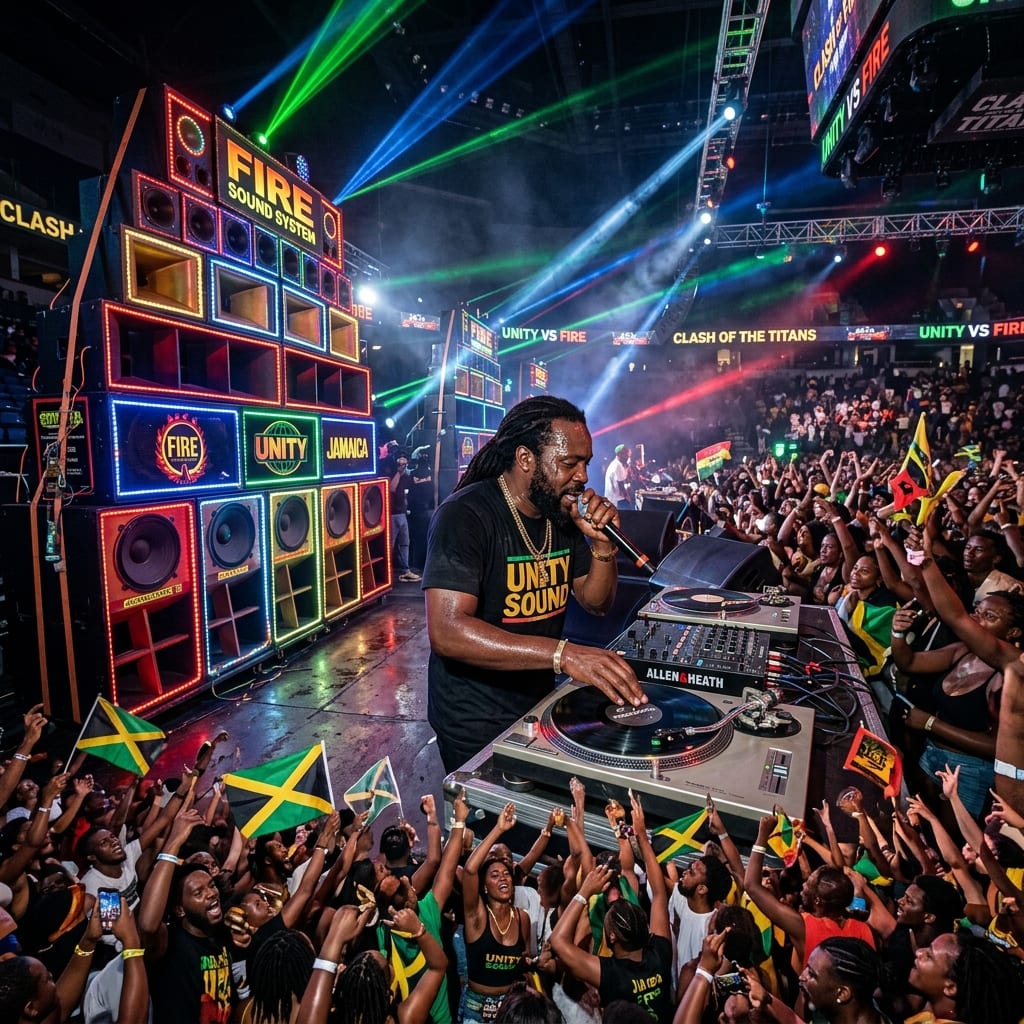
A New Platform for the Clash Culture
The evolution of Dancehall and its connection with African music is also creating opportunities for new digital platforms built specifically around the culture. One of the newer platforms entering this space is Lugmatic Music, a Jamaica-connected music platform that is creating a dedicated space for DJs and the wider Dancehall community.
One of the ideas behind the platform is to give DJs another way to participate in the modern music ecosystem. DJs can register on the platform and build a presence around their work, while also having the opportunity to participate in live programming and musical clashes.
The clash has always been an important part of Jamaican music culture. Long before social media and streaming platforms, sound systems would draw crowds together for competitive sessions in which selectors and sound crews attempted to outplay one another through music selection, dubplates and performance.
Digital platforms are now creating the possibility of bringing elements of that culture to an international audience. Instead of a clash being limited to people who can physically attend an event, an online platform can potentially allow listeners from Jamaica, Africa, the United Kingdom, the United States and other markets to follow the action remotely.
Lugmatic Music is looking to build around that opportunity by giving DJs a place where they can register, establish their presence and, where available, take part in live clashes. The concept fits naturally into the broader shift taking place across music, where live broadcasting, streaming and community interaction are becoming increasingly important parts of an artist's or DJ's digital presence.
The timing is particularly interesting as Jamaican Dancehall continues to interact with Afrobeats and other African sounds. A platform designed around DJs and live musical competition could become another meeting point between Caribbean and African audiences, particularly as listeners become more comfortable discovering music outside traditional geographic boundaries.
For DJs, the attraction is straightforward: visibility. A DJ is no longer dependent entirely on a physical venue, radio station or local event promoter to reach an audience. Digital platforms can give selectors the ability to build a following around their individual style and musical identity.
For listeners, the appeal is equally simple. The internet has made it possible to discover DJs and music scenes that might otherwise remain local. A listener in Kingston can follow a selector from another country, while someone in Lagos or London can discover a Jamaican DJ through a live session or clash.
That could become particularly important for Dancehall, where the DJ and selector have historically played a central role in how music is introduced to audiences. The culture has never been solely about the recording artist. Selectors, sound systems, producers and DJs have all helped determine which records reach the public and how those records are received.
As music consumption continues moving online, platforms such as Lugmatic Music could provide another digital layer for that culture. Rather than replacing the traditional sound-system experience, the goal is to give it another place to exist and potentially reach people outside the physical location where a clash or live session is taking place.
The success of such a platform, however, will ultimately depend on participation. The technology can provide the infrastructure, but the culture comes from the DJs, artists and listeners who use it. If enough established and emerging selectors join, the platform could develop into a recognizable destination for people interested in Dancehall, Afrobeats and the wider sounds of the African and Caribbean diaspora.
That makes the development worth watching. The next stage of the Afro-Dancehall movement may not happen exclusively through major record labels or traditional streaming services. Some of it could emerge through smaller, specialized platforms created specifically for the communities that built these musical cultures in the first place.