
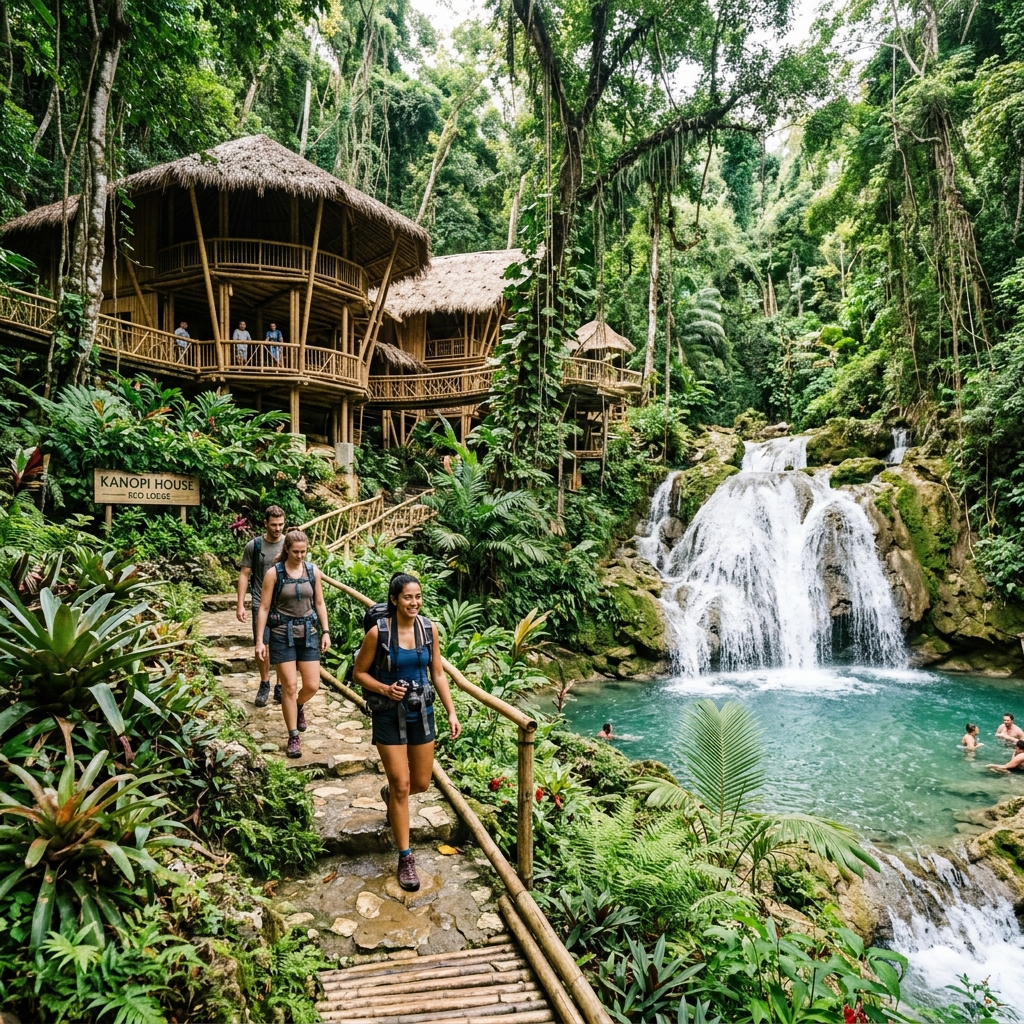
For decades, the global perception of a Jamaican vacation has been largely dominated by images of massive, sprawling, all-inclusive mega-resorts lining the pristine white-sand beaches of the north coast. However, a massive, highly lucrative shift is currently occurring within the island's most critical economic sector. Jamaica is rapidly experiencing an unprecedented boom in eco-tourism, fundamentally redefining sustainable travel in the Caribbean and catering to a new, highly conscious generation of international travelers.
The Shift Away from the Mega-Resort
Modern global tourists are increasingly, and aggressively, rejecting the highly homogenized, isolated experience of the traditional all-inclusive hotel. Instead, they are actively seeking out authentic, deeply immersive, and environmentally sustainable experiences that directly benefit the local communities they visit. Jamaica, with its incredibly diverse, lush topography—ranging from towering, misty mountain peaks to dense tropical rainforests and hidden, untouched waterfalls—is perfectly positioned to capitalize on this massive market shift.
Across the island, particularly in the historically lush, less-developed parishes of Portland, St. Thomas, and the interior regions of St. Ann, a new wave of highly sustainable eco-lodges, boutique "glamping" sites, and community-run farm-stays are rapidly emerging. These properties are strictly built using locally sourced, sustainable materials like bamboo and reclaimed timber, heavily rely on massive solar power arrays, and implement rigorous, zero-waste recycling and rainwater harvesting systems.
"The modern traveler doesn't just want to consume a destination; they want to deeply connect with it and leave it better than they found it," explained the owner of a highly successful, award-winning eco-lodge nestled deep in the Blue Mountains. "Our guests come to hike the untamed trails, eat organic food grown right on the property, and engage directly with the local farmers. It is a completely different, vastly more rewarding side of Jamaica."
Community-Based Tourism
A highly critical component of this eco-tourism boom is the heavy emphasis on "community-based tourism." Unlike the massive, foreign-owned resorts where the vast majority of the profits are repatriated overseas, these smaller eco-ventures ensure that the tourism dollar stays directly within the rural Jamaican communities. Local residents are not just employed as low-wage staff; they are actively engaged as highly knowledgeable tour guides, independent transport operators, and primary food suppliers.
The Ministry of Tourism has aggressively recognized this massive potential and is actively providing substantial grants and extensive training to rural communities to help them develop and market their own unique eco-attractions, ranging from guided river-rafting tours on bamboo rafts to immersive, multi-day Rastafarian cultural and culinary experiences.
Protecting the Environment
This massive shift towards sustainability is also having a profoundly positive impact on local environmental conservation efforts. As local communities directly realize the massive economic value of preserving their pristine natural surroundings for eco-tourists, there has been a significant, measurable reduction in harmful practices such as illegal logging, overfishing, and improper waste disposal.
Furthermore, several major eco-resorts have established their own massive marine sanctuaries and coral reef restoration projects, actively involving their international guests in hands-on conservation work. As Jamaica aggressively continues to diversify its tourism product, the rapid rise of eco-tourism proves that economic growth and fierce environmental protection can seamlessly coexist, ensuring the island's unparalleled natural beauty is preserved for future generations.