
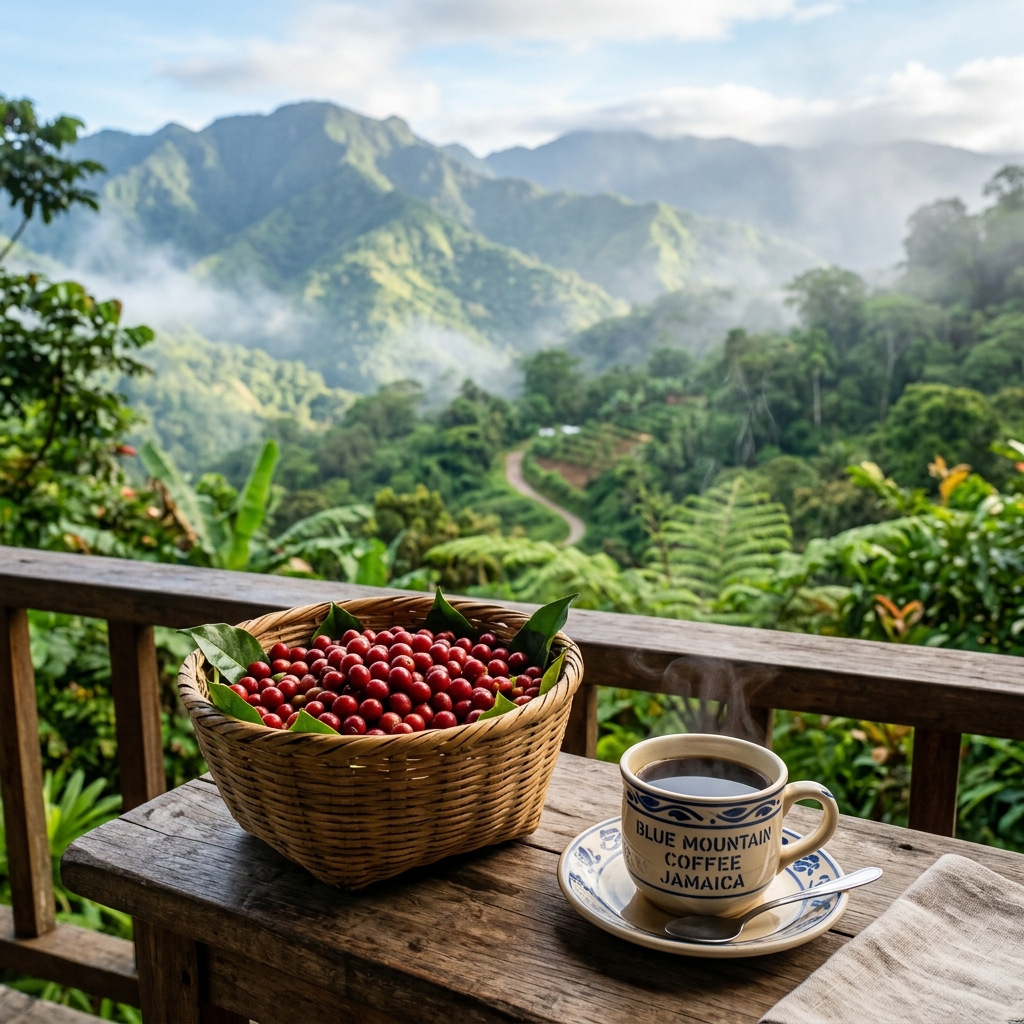
The crisp, cool, and misty air of Jamaica's highest peaks was absolutely alive this weekend with the rich, intoxicating aroma of freshly roasted beans and vibrant local music, as thousands of locals and international tourists gathered for the inaugural Blue Mountain Cultural Harvest Festival. The highly anticipated, three-day event served as a massive, immersive celebration of the island's world-renowned, ultra-premium coffee industry and its deeply rooted, authentic culinary heritage.
Celebrating a Global Luxury Export
Jamaican Blue Mountain Coffee has long been revered globally as the champagne of the coffee world—a luxury, highly sought-after export prized by connoisseurs in Japan, Europe, and North America for its exceptionally smooth, mild profile and lack of bitterness. However, the festival aimed to ensure that the complex, labor-intensive culture surrounding its cultivation—often carried out by generations of small, independent family farmers—was properly celebrated right at home.
Attendees were treated to exclusive, guided tours of historic, centuries-old coffee estates nestled deep within the lush, UNESCO World Heritage-listed mountain range. Visitors had the unique opportunity to participate directly in the meticulous harvesting process, hand-picking the ripe, red coffee cherries alongside veteran farmers, before witnessing the intricate washing, drying, and roasting processes that justify the bean's premium global price tag.
"People all over the world drink our coffee, but very few understand the immense love, back-breaking labor, and deep history that goes into every single cup," shared a third-generation coffee farmer who hosted a highly popular tasting session at the festival. "This festival is about bringing the world to our farms and showing them the beautiful reality behind the luxury brand."
A Culinary and Cultural Extravaganza
While coffee was undeniably the main attraction, the festival also heavily spotlighted the unique, rustic culinary traditions of the Blue Mountain region. Top-tier Jamaican chefs set up sprawling outdoor kitchens, utilizing only locally sourced, organic ingredients to create high-end, modern interpretations of traditional mountain cuisine. Dishes such as slow-roasted wild boar, coffee-infused jerk chicken, and complex stews made with root vegetables grown on the steep mountainsides were massive hits with the attendees.
The cultural aspect of the festival was further amplified by non-stop live performances from traditional Maroon drummers, folk singers, and acoustic reggae bands, creating a deeply spiritual and festive atmosphere that resonated perfectly with the breathtaking, mist-covered mountain backdrop.
Economic Boost for Rural Communities
The economic impact of the festival on the often-overlooked rural mountain communities was immediate and profound. Local guesthouses, eco-lodges, and small eateries reported being completely booked months in advance. The Ministry of Tourism, a major sponsor of the event, noted that the festival perfectly aligns with their aggressive push toward sustainable, community-based "eco-tourism" that directly benefits local residents rather than large, foreign-owned resorts.
Given the overwhelming, undisputed success of this inaugural staging, organizers have confidently announced that the Blue Mountain Cultural Harvest Festival will become a permanent, highly promoted fixture on Jamaica's annual event calendar, firmly cementing the region as a premier destination for global food and coffee tourism.